

Ferramentas de adoração
Esboço do Culto
Passagens bíblicas adicionais
Psalm 72:1-7, 18-19; Romans 15:4-13; Matthew 3:1-12
Preparação
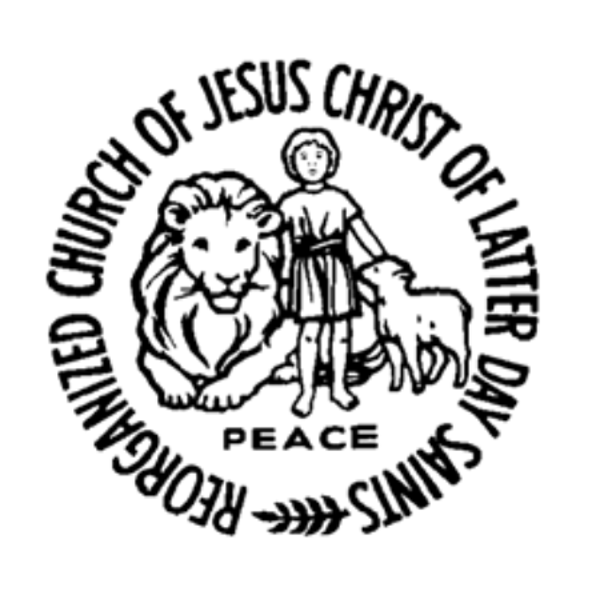
For this Advent Sunday of Peace, prominently display a church seal image during the service.
Crie uma coroa do Advento para ser usada durante os quatro domingos do Advento, bem como no dia de Natal. Coloque quatro velas — geralmente roxas, ou três roxas e uma rosa para o Domingo da Alegria — dentro de um círculo de folhagens perenes, com uma vela branca maior no centro, que representa a vela de Cristo, a ser acesa no dia de Natal.
As seções “Foco do Advento” e “Oração Responsiva do Advento” dos cultos se estendem intencionalmente aos outros três domingos do Advento. Utilize essas seções a cada semana para proporcionar continuidade e estabelecer um ritmo sagrado e uma repetição formativa ao longo de todo o período do Advento.
Prelúdio
Canções de Natal
“Estrela Prateada, Estrela Preciosa”CCS 419
“I Heard the Bells on Christmas Day” CCS 415
Bem-vindo
Today is the second Sunday of Advent and on this day our focus is peace. The scripture for today from Isaiah describes various animals and a child lying peacefully together. This may remind us of the Community of Christ church seal that shows the child with a lion and a lamb and the word “peace” beneath it. Community of Christ maintains a focus on peace. Pursuit of Peace (Shalom) is one of the Enduring Principles. It reminds us to work to share God’s peace with everyone. We envision a just and peaceful world for all people. We are reminded today to continue striving to be a peaceful people who share the peace of Jesus Christ with others.
Scripture Reading: The Peaceful Kingdom
Use a variety of ages as readers.
Reader 1: A shoot shall come out from the stump of Jesse, and a branch shall grow out of his roots. The spirit of the Lord shall rest on him, the spirit of wisdom and understanding, the spirit of counsel and might, the spirit of knowledge and the fear of the Lord. His delight shall be in the fear of the Lord.
Reader 2: He shall not judge by what his eyes see, or decide by what his ears hear; but with righteousness he shall judge the poor, and decide with equity for the meek of the earth; he shall strike the earth with the rod of his mouth, and with the breath of his lips he shall kill the wicked. Righteousness shall be the belt around his waist, and faithfulness the belt around his loins.
Reader 3: The wolf shall live with the lamb, the leopard shall lie down with the kid, the calf and the lion and the fatling together, and a little child shall lead them. The cow and the bear shall graze, their young shall lie down together; and the lion shall eat straw like the ox. The nursing child shall play over the hole of the asp, and the weaned child shall put its hand on the adder’s den. They will not hurt or destroy my holy mountain; for the Earth will be full of the knowledge of the Lord as the waters cover the sea.
Reader 1: On that day the root of Jesse shall stand as a signal to the peoples; the nations shall inquire of him, and his dwelling shall be glorious.
—Based on Isaiah 11:1-10
Hino do Advento
“Lo, How a Rose E’er Blooming” CCS 437
OR “Canticle of the Turning” CCS 404
Invocação
Resposta
Lighting the Advent Candle of Peace
Declaração
Today we light the Advent candle of peace. Peace reflects wholeness in God’s embrace, both within our hearts and in our world. Peace is born as we seek reconciliation, justice for those who don’t have it, and to reduce the fear and violence which separates people. Peace is a light that comforts amid the darkness.
Light the candle of peace.
Oração Responsiva do Advento
Líder: Deus, elevamos a Ti esta oração do Advento:
All: That we might wait in your peace,
Líder: Ouve nossa oração, ó Senhor.(pausa para um momento de silêncio)
All: That we might find peace as our home,
Líder: Ouve nossa oração, ó Senhor.(pausa para um momento de silêncio)
All: That we might nurture peace within,
Líder: Ouve nossa oração, ó Senhor.(pausa para um momento de silêncio)
All: That we might bear your peace to others,
Líder: Ouve nossa oração, ó Senhor.(pausa para um momento de silêncio)
All: That we may live in the light of your peace,
Líder: Ouve nossa oração, ó Senhor.(pausa para um momento de silêncio)
Amém.
Advent Peacemakers’ Hymn
“Peace Child” CCS 402
OR “Come, Join in Mary’s Prophet Song” CCS 308
Advent Communion Message
Based on Isaiah 11:1-10
Hino da Paz
“Ó Dia da Paz”CCS 380
OU “Dona Nobis Pacem”CCS 155
Sing as a 3-part round.
Sacramento da Ceia do Senhor
Convite à comunhão
Veja o roteiro doConvite à Comunhão.
Momento de Foco
Watch the Community of Christ video “Jack and Jenn Pursue Peace on Earth,” (8 minutes).
Download or view from YouTube
Lead a discussion of the video.
- What were Jack and Jenn doing on “jammy day”?
- What did Jack want to do when he heard the bullies had teased Jenn? What did Jenn want to do?
The words discussed below could be projected or added to a flip chart for all to see.
- What is the definition of “peace” from the Big Voice in the video?
- What does “pursue” mean? The Big Voice defines pursue as practice but it also means to seek after, or to seek out.
- What does “generous” mean? How is God generous? In generosity we find peace.
A resposta generosa dos discípulos
Scripture: Doctrine and Covenants 163:3a-b
Declaração
Sharing the peace of Jesus Christ involves generously and compassionately offering witness, ministry, sacraments, and community life that reconciles and restores people to right or righteous relationships with God, themselves, others, and creation. This holistic approach to proclaiming and demonstrating the gospel is faithful to our best understanding of God’s will…
—Sharing in Community of Christ, 4th edition, page 14
Let us share generously of ourselves.
Bênção e Recebimento dos Dízimos para Missões Locais e Mundiais
Hino de Envio
“Bendito seja o Deus de Israel”CCS 396
OU “Consolo, consolo agora, meu povo”CCS 407
Oração pela paz
Acenda a Vela da Paz.
Oração
God of all the Earth and all the Earth’s peoples move in us to pray for peace.
May the spirit of reconciliation like floodwaters fill the places of political power.
May the healing waters of God’s love baptize the hearts of warring people.
May God use us to shatter walls of fear and prejudice.
May we build, rather than destroy.
Let God be our source of strength rather than relying on arms.
May we arm ourselves with confidence in God’s creative power to move us from terror to trust.
May we be God’s peacemakers. We pray in Jesus’ name. Amen.
—Barbara Howard
Sung Advent Response
“Wait for the Lord” Sing twice CCS 399
Envio
Go, bring Peace, live Peace, share Peace, and be Peace.
Pós-lúdio
Espaço Sagrado: Esboço para o Culto em Pequenos Grupos
Encontro
Bem-vindo
For the Advent season it is traditional to have Advent candles (four white candles, one for each week of Advent) or anAdvent wreath (an evergreen ring, with four candles and one white candle in the center). One candle is lit each week with the center candle lit on Christmas Day. The lighting of the Advent candle takes place at the beginning of the spiritual practice.
Advent is a season of waiting in expectation for the coming of light into a darkened world in the form of the infant Jesus. Advent is spent anticipating and spiritually preparing for the arrival of the Christ-child. Scriptures, symbols, and hymns help make Advent a time of expectation for Christ’s birth, rather than a frenzy of holiday tasks.
O período do Advento começa quatro domingos antes do Natal e é celebrado todos os domingos até o Natal. Costuma-se usar uma coroa do Advento com quatro velas e uma vela de Cristo no centro para marcar as semanas do Advento. Acende-se uma vela por semana, até que todas estejam acesas e brilhando intensamente no dia de Natal.
Oração pela paz
Toque o sino ou o carrilhão três vezes, lentamente.
Acenda a vela da paz.
They call you the Prince of Peace.
We read those words in wonderment because we live in chaos and shattered dreams.
But when we read those words, The Prince of Peace, in our hearts, we want to follow.
Long have we known the commandment: “Follow after the things that make for peace.”
O Holy One, Teach us to love each other. Clear our minds of evil thoughts that keep us
from following you. Teach us to love each other. Clear our hearts of evil intent that
keeps us from following you. Teach us to love each other.
We want to venture forth to meet this need to love, but we are afraid of the
consequences. So we find many reasons not to follow you.
There seem to be many ways to follow, but only one way to not follow. Grant us the
desire and courage to follow you in the path of peace.
Teach us, O holy One, to follow you in the path of peace. So be it. Amen.
—Charles Kornman, 4th edition, page 14
Prática espiritual
Dê um tempo
Acenda a segunda vela do Advento e diga:
Today we light the second candle of Advent. This candle symbolizes Christ bringing peace to the world. May we seek peace and patience in our lives.
Leia o seguinte:
The Christmas season that mirrors the Advent season can be full of rushing and to-do lists. This is true for us in our spiritual lives as well. We hope that all our spiritual to-do lists will bring us comfort, spiritual guidance, and answers. Advent is a time of waiting and anticipating, but the light isn’t birthed right away. All the to-do lists can’t bring the birth of the Son of God sooner. We learn to settle into the waiting time. To Take Five at this time of year reminds us to go inward and be patient with waiting on God.
Leia o seguinte:
Today we are going to do five minutes of contemplative prayer. Contemplative prayer helps us empty our mind and listen to God. We will breathe in and out to help open our minds to God’s whispers. Breathe in for eight seconds, breathe out for eight seconds.
We will repeat for five minutes.
Set the timer for five minutes. At the end of five minutes say “Amen.” Invite group members to share how this practice helped them feel peace during this season.
Compartilhando à mesa
Isaiah 11:1–10 NRSVue
A shoot shall come out from the stump of Jesse, and a branch shall grow out of his roots.
The spirit of the Lord shall rest on him, the spirit of wisdom and understanding, the spirit of counsel and might, the spirit of knowledge and the fear of the Lord.
His delight shall be in the fear of the Lord.
He shall not judge by what his eyes see or decide by what his ears hear, but with righteousness he shall judge the poor and decide with equity for the oppressed of the earth; he shall strike the earth with the rod of his mouth, and with the breath of his lips he shall kill the wicked.
Righteousness shall be the belt around his waist and faithfulness the belt around his loins.
The wolf shall live with the lamb; the leopard shall lie down with the kid; the calf and the lion will feed together, and a little child shall lead them.
The cow and the bear shall graze; their young shall lie down together; and the lion shall eat straw like the ox.
The nursing child shall play over the hole of the asp, and the weaned child shall put its hand on the adder’s den.
They will not hurt or destroy on all my holy mountain; for the earth will be full of the knowledge of the Lord as the waters cover the sea.
On that day the root of Jesse shall stand as a signal to the peoples; the nations shall inquire of him, and his dwelling shall be glorious.
On this second Sunday of Advent, Isaiah presents us with two pictures. In the first picture Isaiah describes a righteous leader who will emerge from the descendants of King David. Every generation could benefit from a righteous leader endowed with a “spirit of wisdom and understanding…counsel and might…knowledge and the fear of the Lord.” One could argue that a leader who looks upon the poor with righteousness and decides with equity for the meek, and lays low the wicked, is a leader after God’s own heart.
In the second picture Isaiah reminds us that in the kingdom of God, life itself is different. Wolves will be living with lambs, leopards with baby goats, calves with lions, cows and bears grazing together, all the while led by a child. These images remind us that conventional wisdom and conventional ways of relating one to another will not hold.
For the reign of God to be ushered in, we must see differently. We must approach our relationships with God, each other, and the whole of creation differently. Isaiah gives us a goal. Though we may not attain it in our lifetime, we have a responsibility to try. As we wait for the coming of Jesus this Advent season we endeavor to change our own lives to prepare for the reign of God to come near.
Perguntas
- From your perspective, what are the benefits of being led by someone endowed with the leadership characteristics mentioned in the text?
- How might you incorporate those characteristics into your own leadership opportunities? 3. How might you approach your relationships with God, others, and creation differently to move closer to the goal outlined by Isaiah?
Enviando
Declaração de Generosidade
Faithful disciples respond to an increasing awareness of the abundant generosity of God by sharing according to the desires of their hearts; not by commandment or constraint.
—Doutrina e Convênios 163:9
The offering basket is available if you would like to support ongoing small-group ministries as part of your generous response.
A oração de oferenda para o Advento é uma adaptação de *A Resposta Generosa de um Discípulo*:
God who is faithful, Be present with us as we plan our spending. May we use our resources to build healthy, happy relationships with you, with others, and with the Earth. May we remember the teachings of Jesus that challenge us to make lifestyle choices that are counter to our culture of accumulation and excess. Amen.
Convite para a próxima reunião
Hino de encerramento
CCS 396, “Blessed Be the God of Israel”
Oração de encerramento
Opções adicionais, dependendo do grupo
Sacramento da Ceia do Senhor
Escolha uma passagem bíblica para ler dentre as seguintes opções: 1 Coríntios 11:23–26; Mateus 26:17–30; Marcos 14:12–26; Lucas 22:7–39.
Convite à comunhão
Todos são bem-vindos à mesa de Cristo. A Ceia do Senhor, ou Comunhão, é um sacramento no qual recordamos a vida, a morte, a ressurreição e a presença contínua de Jesus Cristo. Na Comunidade de Cristo, também vivenciamos a Comunhão como uma oportunidade de renovar nossa aliança batismal e de sermos formados como discípulos que vivem a missão de Cristo. Outros podem ter interpretações diferentes ou complementares dentro de suas tradições religiosas. Convidamos todos os que participam da Ceia do Senhor a fazê-lo no amor e na paz de Jesus Cristo.
Como preparação, vamos cantar a música nº 519 do livro“Community of Christ Sings”, intitulada “In the Singing”.
Abençoar e servir o pão e o vinho.
Reflexões para as crianças
Wait in Peace
Materials: printed copies of the Peace Seal, crayons
Explain: In very old times, the mark of a good leader was his or her willingness to protect the poor and other marginalized people. As a good leader, Jesus did these things. He brought peace by serving the poor and other overlooked people in society. As we wait for Jesus this Advent season, we can bring peace by doing what he did.
Lead children in an animal role-play:
- Have one child pretend to be a lamb and another pretend to be a wolf. Ask them to act out what probably would happen in nature if a lamb and wolf came across each other.
- Repeat with a calf and lion.
- Explain that Jesus brings peace in all situations.
- Have the children act out each role-play again, but this time invite them to incorporate actions of peace, kindness, and friendship.
- Explain that this is what Christ can help us do. Through us, Jesus can bring peace, kindness, and friendship to any situation.
Ask: How can you follow the example of Jesus and bring more peace into your own life, family, and community?
Hand out Peace Seal pages for children to color, and invite them to return to their seats.

Recursos para sermões
Explorando as Escrituras
The Old Testament scripture passage for the second Sunday of Advent begins with anointing a new king from the lineage of David and Jesse. It continues with an emphasis on the kingdom of God.
Messiah means “the anointed one” in Hebrew. (In Greek, “anointed” is Christos, and in English, Christ.) During the histories of the kingdoms of Israel and Judah, all kings were hailed as Messiah, the anointed one. Historical accounts praised David, who united the 12 tribes into one nation. Second Samuel 7:9–16 records a promise God made to David: “I will make for you a great name…” and “your house and your kingdom shall be made sure forever before me….”
When Isaiah first wrote the words of Isaiah 11:1–5, he probably was expressing praise and hope for a living king, who was soon to be crowned—possibly Hezekiah. In his idealized vision, this future king will be endowed with gifts of the Spirit: wisdom, understanding, counsel, might (strength), knowledge, and the fear (awe) of the Lord. The king will bring justice to the poor, equality for the oppressed, and faithfulness to God. If Isaiah was writing of Hezekiah, his hopes were not realized. These are traits the Israelites hoped for in every ruler descended from David, but their expectations were always unfulfilled. When the last Davidic king died, the writings were reinterpreted as a prophecy for future fulfillment.
Christians consider Christ as the center of history. Before Jesus’ time, the world prepared for his coming. Since his death and resurrection, his followers have been devoted to fulfilling God’s new covenant in Christ. We interpret the Old Testament scriptures as prophetic expressions that point toward Christ. From our perspective, we wonder why the Jews didn’t recognize Jesus as the Messiah. We must remember there were different descriptions of the expected Messiah from different prophets. Isaiah’s words helped the ancient Jews understand about the coming Messiah, but Isaiah presented only one image among many. Although the Gospel writers affirm that Jesus was a descendant of David, he did not fit the image of the king the Jews expected.
Verses 6 to 9 expand praise for the king into a hope for the kingdom of God. A new age of cos- mic peace will restore balance and nonviolence to all of creation. Animals will no longer kill one another. Even helpless babies and toddlers will be safe from harm. Here we find the lion, the lamb, and the little child—the basis of our church emblem. Finally, in verse 10, the vision of God’s peaceable kingdom is coupled with the future king of the lineage of David in the hope that all nations will come willingly to Zion and be united.
The vision of God’s kingdom loses its meaning if it is merely an abstract ideal, with no basis in the real world. The peaceable kingdom becomes a reality only when we unite our efforts with God’s initiative. As we strive to live the teachings of Christ and the will of God in our time and place, the kingdom of God breaks into our everyday existence. The kingdom transforms and heals us with peace and justice. In the teachings of Jesus and his ministry among those who were poor and marginalized, we find the beginning of that reality. God’s reign continues to provide hope and promise each Advent season as we prepare expectantly for the coming of Christ.
Ideias centrais
- Isaiah expresses a vision of a king for Israel endowed with gifts of the Spirit: wisdom, understanding, counsel, might (strength), knowledge, and the fear (awe) of the Lord.
- Isaiah thought the king would bring justice to the poor, equality for the oppressed, and faithfulness to God.
- Along with Isaiah’s image of the future king, he describes the peaceable kingdom as a vision for God’s kingdom on Earth.
- While we might understand Isaiah’s words as pointing toward the coming of the Messiah, Jews did not necessarily see Jesus as fulfilling this prophecy.
Perguntas para o palestrante
- How would you describe the qualities of a king? How does this compare to Isaiah’s de- scription?
- How might we go about making Isaiah’s vision of the peaceable kingdom a reality?
- What is your understanding of the church seal (lion, lamb, and child) as a symbol? Why is this important to you? To the church?
- What preparations are you making for the Messiah to come into your life this Advent season?
Aulas
Aula para adultos
Passagem bíblica em destaque
Isaiah 11:1–10
Foco da aula
How does our understanding of the peace of Isaiah, the peace of Christ, and the peace envisioned by the church build on each other?
Objetivos
Os alunos irão…
- learn about Isaiah’s vision of peace.
- discover Jesus’s vision of peace.
- understand how both visions influence the church’s vision of peace.
Materiais
- Bible or copy of Isaiah 11:1–10 and Matthew 25:31–46 for each participant
- Paper, pen or pencil for each participant
- Prayer for Peace reading available from www.HeraldHouse.org, search “prayer for peace”
- Picture of the church seal for each participant
- A copy of the church’s Basic Beliefs statement on Peace, Enduring Principle Pursuit of Peace, and the Mission Initiative Pursue Peace for each participant (end of lesson)
- Candle and lighter for Prayer for Peace
- Comunidade de Cristo Canta(CCS)
Notas para o professor
In preparation for this lesson, read “Exploring the Scripture” for Isaiah 11:1–10 in Sermon & Class Helps, Year A: Old Testament, pp. 20–21, available through Herald House.
This lesson focuses our attention on a traditional Advent scripture, Isaiah 11:1–10. There are several layers of meaning here. The lesson builds on this scripture passage by looking at a parable of Jesus addressing judgment, followed by looking at how the church has incorporated peace into our Basic Beliefs, Enduring Principles, and Mission Initiatives. By the end of the class, participants should have a better understanding of why the church is so concerned about peace issues and encourages its membership to prophetically address those issues in their lives and communities.
Reunir
Ativa o conhecimento prévio, prepara e motiva os alunos para a aula (15% do tempo total da aula)
Have the class reflect on the image of the church seal as someone reads Isaiah 11:1–10.

Envolver-se
Incentiva a exploração e a interação (35% do tempo da aula)
This lesson centers around a scripture from Isaiah comprised of Hebrew poetry. Most poetry can be classified as rhyming or non-rhyming. While Hebrew poetry at first appears to have no rhyme scheme, it contains a rhyme pattern known as “thought rhyme.” That is, each line is followed by the same line stated differently. For instance, in today’s scripture, the first couplet is a thought rhyme: “A shoot shall come out of the stump of Jesse, and a branch shall grow out of his roots.” The second line, “a branch shall grow out of his roots,” “rhymes” with the thought in the first line, “a shoot shall come out of the stump of Jesse.” This is important in understanding the message in Hebrew poetry. If you don’t understand the first line, the second line may make it clearer.
Note: Verse 10 returns to prose.
Isaiah 11:1–10 addresses peace on two levels: for people and for the natural world. This passage is called by several names: the peaceful kingdom, the kingdom of God, and description of Zion.
Have someone read Isaiah 11:1–5.
Discuss the following in small groups or in the larger group:
- Who is Jesse?
- Who is the “he” in this verse? To whom would the people of the time think this passage referred?
- Read Isaiah 11:1–5 again. What are the main points describing peace?
Read Isaiah 11:6–10.
- What are the main words or phrases describing peace in these five verses?
- How does the phrase “for the earth will be full of the knowledge of the Lord as the waters cover the sea” affect your understanding of the verses that come before it?
- What does the last prose line, “On that day the root of Jesse shall stand as a signal to the peoples; the nations shall inquire of him, and his dwelling shall be glorious,” mean to you considering the verses that come before?
In a passage called “The Judgment of the Nations” in Matthew 25:31–46, Jesus shares the judgment he sees coming for all people. It is a pronouncement about end times and a scripture for this Sunday of Advent for peace.
- What are the crimes being judged in this scripture?
- How do these judgments relate to the passage we just studied in Isaiah? How do they relate to the Advent of peace?
- Sit quietly for a moment and reflect on the judgment of the nations. How does this judgment affect the way you look at your life? The life of your congregation? The life of your community?
Responder
Leva os alunos da compreensão auditiva à prática (35% do tempo da aula)
Read and discuss together the Basic Belief on Peace, the Enduring Principle Pursue Peace on Earth, and the Mission Initiative Pursuit of Peace (Shalom). These are the church’s stance regarding issues.
- How is the church’s stance on peace reflected in the passage from Isaiah?
- How is the church’s stance on peace reflected in the judgment issues in Matthew?
- Reflect on the statements above. Write down ways in which you, your congregation, and your community can live these ideals.
Enviar
Explora como a aula pode ser vivenciada (10% do tempo da aula)
Share together in a Prayer for Peace. Download examples at www.HeraldHouse.org, search “prayer for peace.”
Abençoe
Momento de oração, louvor, bênção e esperança (5% do tempo da aula)
Read together Isaiah 11:1–2.
As a closing prayer, read together or sing “Lo, How a Rose E’er Blooming” CCS 437.
Aula para Jovens
Passagem bíblica em destaque
Isaiah 11:1–10
Foco da aula
We will explore the concepts of the Peaceable Kingdom and what it could look like.
Objetivos
Os alunos irão…
- understand God’s desire for a just, fair, and compassionate world through Jesus.
- reflect on what the Peaceable Kingdom can look like by crafting their very own.
Materiais
- Bíblia
- Copies of Community of Christ seal handout (end of lesson)
- Copies of Peaceable Kingdom Building handout (end of lesson)
- Roads handout (end of lesson—you may need several if you live in a larger town)
- Picture or example of the current church seal (you may also include examples of past church seals)
- Writing utensils (pens or pencils)
- Markers, colored pencils, or crayons
- Lined paper
- Optional: craft supplies (construction paper, glue, cotton balls, chenille stems, etc.)
Notas para o professor
In preparation for this lesson, read “Exploring the Scripture” for Isaiah 11:1–10 in Sermon & Class Helps, Year B: Old Testament, pp. 20–21, available through Herald House.
As you prepare, identify an area in your congregation where you can display a 2-D paper village your class will be creating. Ask the presider of the worship for some time for you and your class to share about the peaceable village your students created.
Reunir
Ativa o conhecimento prévio, prepara e motiva os alunos para a aula (15% do tempo total da aula)
Pass out the Community of Christ Seal handouts and markers, colored pencils, or crayons. Explain that today we will be exploring the scripture passage that inspired the church seal. Provide students with examples of the current church seals and past seals, if available. The students will have the opportunity to get creative and design their own Community of Christ church seal. Have them include the lion, lamb, child, and the word “peace.” Encourage them to be creative and make it their own. Urge them to share what they created with the whole class when they are finished designing.
Old Church Seals
Current Church Seal

Envolver-se
Incentiva a exploração e a interação (35% do tempo da aula)
Read Isaiah 11:1–5.
Our scripture passage today comes from the Old Testament major prophet book Isaiah. The verses just read describe a promise from God of a Davidic king of the future. Do you remember the story of King David? He’s the one who bravely took down Goliath and ruled over ancient Israel. He is known as one of the greatest kings of that time. While not perfect, he plays an important role in God’s story of the Old Testament. The phrase “stump of Jesse” refers to a king who will rise from the family tree of David.
The passage tells the readers the Spirit of the Lord will rest on this king with three pairs of gifts: (1) wisdom and understanding, (2) counsel and might, (3) knowledge and fear of the Lord. In this context, wisdom and understanding mean dealing with reality in a fair and just way in both political and judicial situations. With wisdom and understanding a ruler is kind, fair, seeks justice instead of oppression, and sees the whole picture. Counsel and might refer to both diplomatic and militaristic experience. Knowledge and fear of the Lord refer to acknowledging God in the world and being in “awe.” While fear is usually equated with being afraid of something, in this context it is a feeling of amazement and respect for God.
Pergunte:
- When you think of a king, what characteristics do you think of? Think of kings or rulers from TV or movies. What are they like?
- Who is someone in your life who gives you wisdom or understanding when you need it most? What wisdom did they give? How did you respond?
- Who is someone in your life who gives you counsel (advice) when you need it most?
- Who is someone in your life who is a spiritual mentor who has great knowledge and “awe” of God?
Read Isaiah 11:3–5 again.
These verses describe the justice when the coming king returns. The poor and meek will be protected and liberated, while the oppressors will be given proper justice. This new king will represent justice, righteousness, and liberation for all those who need it. In our Christian context we know that Jesus wouldn’t kill his enemies. Many times in the scriptures Jesus liberated the oppressor, too, as in the story of Zacchaeus, the tax collector, or Saul (who becomes Paul) who persecuted the earliest Christ-followers.
Ask: What would justice toward the poor and meek look like?
Read Isaiah 11:6–10.
With a new king comes a new way to rule. A wise, knowledgeable, just, fair, and compassionate king can bring peace. Verses 6–10 lay out what the kingdom will be like when this new king rules: Peace. Prey will be safe from predators. Oppressors and oppressed can thrive together in harmony. Children, our most vulnerable members, can play safely without threats or danger. Put more simply, this new kingdom is a place where God’s creation can live safely without fear, without oppression.
This passage focuses on a future where God establishes a just and peaceful Earth, where all creation will live in harmony. In a world where human greed, violence, injustice, oppression, and struggle are real, a new king will help shape and guide God’s vision of harmony. Jesus is that new king. As disciples, we can be part of that vision.
Responder
Leva os alunos da compreensão auditiva à prática (35% do tempo da aula)
For this activity the class will create their own Peaceable Kingdom village. To begin, ask the following:
- What characteristics are important when being “in community”?
- If you could craft your own peaceful town what would that look like? What buildings would be in it?
Have enough copies of the Peaceable Kingdom Building handout for each member of the class. If you have a class of less than five, it is recommended that you print out extra handouts if students want to add to their village. Invite the class to answer the three questions on the handout. They may either write or draw their answers in each box. Have each student share about their building and its importance to our peaceful community. Keep in mind that everyone’s values are different so there may be a variety of buildings. That is okay. After the students create and share their buildings, go to a place in your congregation (blank bulletin board, wall, easel, etc.) to display your village. The Roads handout is included as optional décor. You are also encouraged to share your village with the congregation as part of the worship that day.
Opcional
If you have the supplies, you may encourage your students to use crafting items (construction paper, cotton balls, chenille stems, glue, etc.) to design the village on the surface you and the class choose.
Enviar
Explora como a aula pode ser vivenciada (10% do tempo da aula)
Pass out the writing utensils and lined paper. Read aloud Isaiah 11:6–9 again. Have the students come up with three to five pairs of opposites that can live together in community if this vision of peace became a reality. Some examples to get the students thinking include: the bully will play with the bullied; the liberal can celebrate with the conservative; the Christian can worship with the atheist; etc. This activity can lead to some challenging but deep discussion, so invite your students to share what they wrote, why they wrote it, and how those opposites joining together can make God’s kingdom a better place.
Abençoe
Momento de oração, louvor, bênção e esperança (5% do tempo da aula)
Have students sing the classic campfire song “I’ve Got Peace like a River” as their closing time together.
Aula para crianças
Passagem bíblica em destaque
Isaiah 11:1–10
Foco da aula
Jesus’s birth brings the promise of peace, or God’s Shalom. When we mirror God’s love and peace to others we help build Shalom here on Earth.
Objetivos
Os alunos irão…
- explore the examples of peace mentioned in the scripture passage.
- identify ways Community of Christ focuses on peace.
- brainstorm and discuss how to pursue peace by showing compassion.
Materiais
- Bíblia ouBíblia de Histórias do Lecionário, Ano A, de Ralph Milton, ilustrada por Margaret Kyle (Wood Lake Publishing, 2007, ISBN 9781551455471)
- Edward Hicks’ painting of the Peaceable Kingdom, which can be downloaded in different sizes from the Vanderbilt Divinity School library: http://diglib.library.vanderbilt.edu/act-imagelink.pl?RC=53085
- A Community of Christ church seal, either a physical sculpture or a picture
- Difficult situation charade cards (end of lesson)
- Advent wreath, candle for hope, and candle for peace
- Butcher paper and marker or board and marker
- Papel e giz de cera ou canetas hidrográficas
- Comunidade de Cristo Canta(CCS)
Notas para o professor
In preparation for this lesson, read “Exploring the Scripture” for Isaiah 11:1–10 in Sermon & Class Helps, Year A: Old Testament, pp. 20–21, available through Herald House.
Reunir
Ativa o conhecimento prévio, prepara e motiva os alunos para a aula (15% do tempo total da aula)
Greet students by name and share with the class that this week they will add another candle to the Advent wreath, the candle of peace. Explain that the coming of Jesus’s birth is a promise of peace here on Earth—God’s shalom.
As you add the peace candle to your wreath, have the class echo-sing stanza two of “Hope Is a Light” CCS 398. Sing it through several times.
Peace is a prayer, (peace is a prayer.)
Peace is a prayer that starts with me, (Peace is a prayer that starts with me.)
Light the candle of peace, (Light the candle of peace.)
—Daniel Charles Damon © 2007 Hope Publishing Company
Envolver-se
Incentiva a exploração e a interação (35% do tempo da aula)
Show the class a picture of Edward Hicks’ painting of the Peaceable Kingdom. Ask the students to look at the painting and then share their observations. Help them notice the animals standing with each other that would normally be predator-prey. Tell them that when this painting was created around 1834, Native Americans and white settlers were at war. Therefore, the people sitting together in the background also represent groups that do not get along.
Ask: Where do you see examples of peace in this picture? Write their responses under the word “PEACE” on a piece of butcher paper or board.
Say: In today’s scripture we will learn about God’s vision for peace.
Read together Isaiah 11:1–10, or “God’s Beautiful Dream” from the Lectionary Story Bible, Year A, pp. 21–23.
Ask: What is mentioned in the scripture story that we need to add to our ideas of peace? (Add additional ideas to the list on the paper or board.) What other examples can you think of? (Examples include sun and snowman, hunter and deer, sports opponents, fire and water, etc.)
Instruct the children to draw their own version of the Peaceable Kingdom where everyone and everything can live peaceably together in God’s Shalom. They can use examples on your class list or create their own.
Responder
Leva os alunos da compreensão auditiva à prática (35% do tempo da aula)
If possible, locate and visit a Community of Christ church seal in your building. Ask the children what they notice about the church seal. (It has the same lion, lamb, and young child mentioned in the Isaiah scripture.)
Say: Peace, or God’s shalom, is very important in Community of Christ. You can see it shown on the church seal, or the symbol of our church. It is mentioned in our mission statement, which is the formal statement of our values: “We proclaim Jesus Christ and promote communities of joy, hope, love, and peace.” Pursuit of Peace is included as one of our nine Enduring Principles, which are what we will stand for forever. Pursue Peace on Earth is one of our five Mission Initiatives, overall missional goals for our church.
- What does Pursuit of Peace mean to you?
Say: In Edward Hicks’ painting and in our Peaceable Kingdom drawings we see examples of peace meaning getting along with others. But shalom means more than the absence of fighting.
- What are some other examples of peace or where do you see a need for peace?
God created us and the world with love and compassion so we can share that love and compassion with others. We can help create shalom.
- What does compassion mean? “Because we care [about] others, we may notice something they need and then we can help” (Of Water and Spirit, Herald Publishing House, p. 32).
Have students take turn acting through charades the disappointing situations at the end of the lesson. Once the class guesses what situation the child is acting out, brainstorm together how they could react if they see something like that happen. Repeat until all children have had a chance to act, or as time allows. Students can make up their own scenarios if they wish.
Enviar
Explora como a aula pode ser vivenciada (10% do tempo da aula)
Have students take turns reading the following scripture passages:
- Jesus said, “Peace I leave with you; my peace I give to you. I do not give to you as the world gives. Do not let your hearts be troubled. Do not be afraid” (John 14:27).
- Jesus said, “Blessed are the peacemakers, for they will be called children of God” (Matthew 5:9).
- Let the peace that Christ gives control your thinking. You were all called together in one body to have peace (Colossians 3:15).
- And God’s peace will keep your hearts and minds in Christ Jesus. The peace that God gives is so great that we cannot understand it (Philippians 4:7).
- So let us try to do what makes peace and helps one another (Romans 14:19).
Create a living Advent wreath by having the students sit in a circle and take turns sharing how they can represent the peace of Jesus in the coming week.
Abençoe
Momento de oração, louvor, bênção e esperança (5% do tempo da aula)
Sing stanza one of “Prayer of Peace” CCS 164.
Peace before us, peace behind us, peace under our feet.
Peace within us, peace over us, let all around us be peace.
—David Haas, © 1987 GIA. Publications, Inc.
Difficult Situation Charades
| Situation | Reaction |
|---|---|
| You fell on the playground and skinned your knee. | |
| You didn’t understand your school work and you failed a test. | |
| You forgot your sack lunch or lunch money. | |
| You are being teased by another student at school. | |
| You missed a shot that would have made your team win the game. | |
| You spilled your food all over yourself, ruining your brand-new shirt. | |
| You weren’t invited to a birthday party that most of your friends are attending. | |
| You were placed in a different class from your friends who have the same teacher. | |
| You forgot to do your chores and consequently are not able to attend an event. | |
| You wrecked your bicycle and now you can’t ride it. |